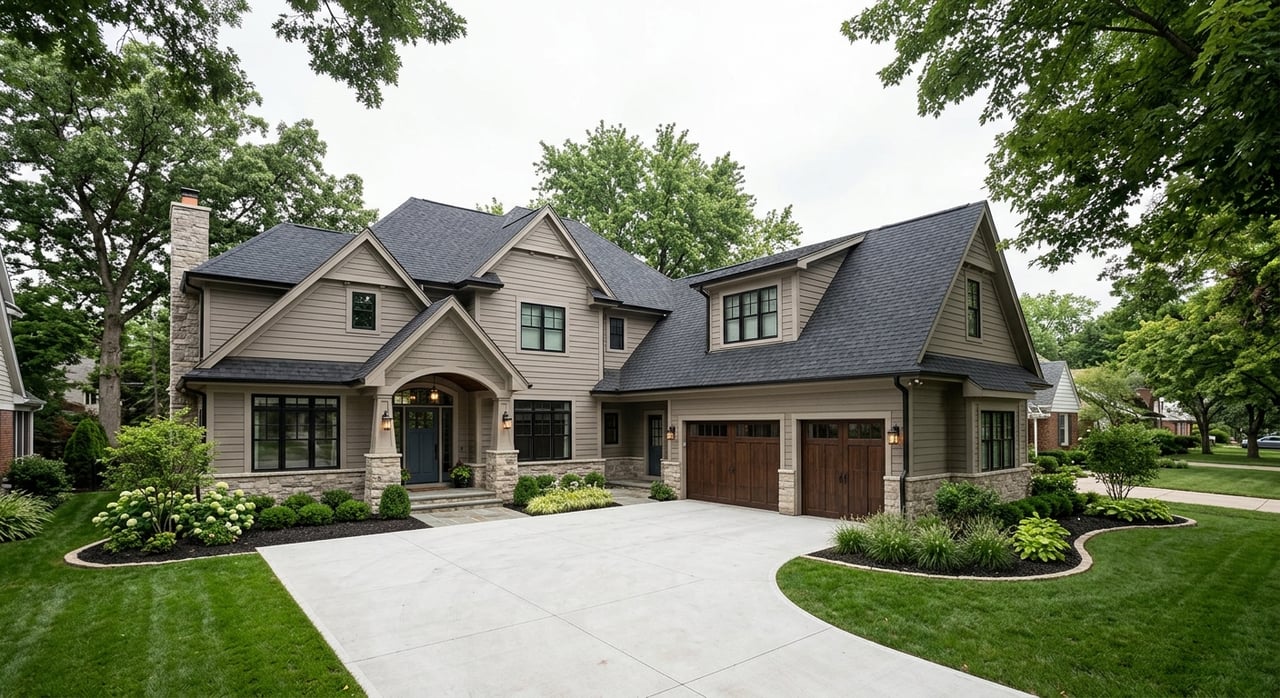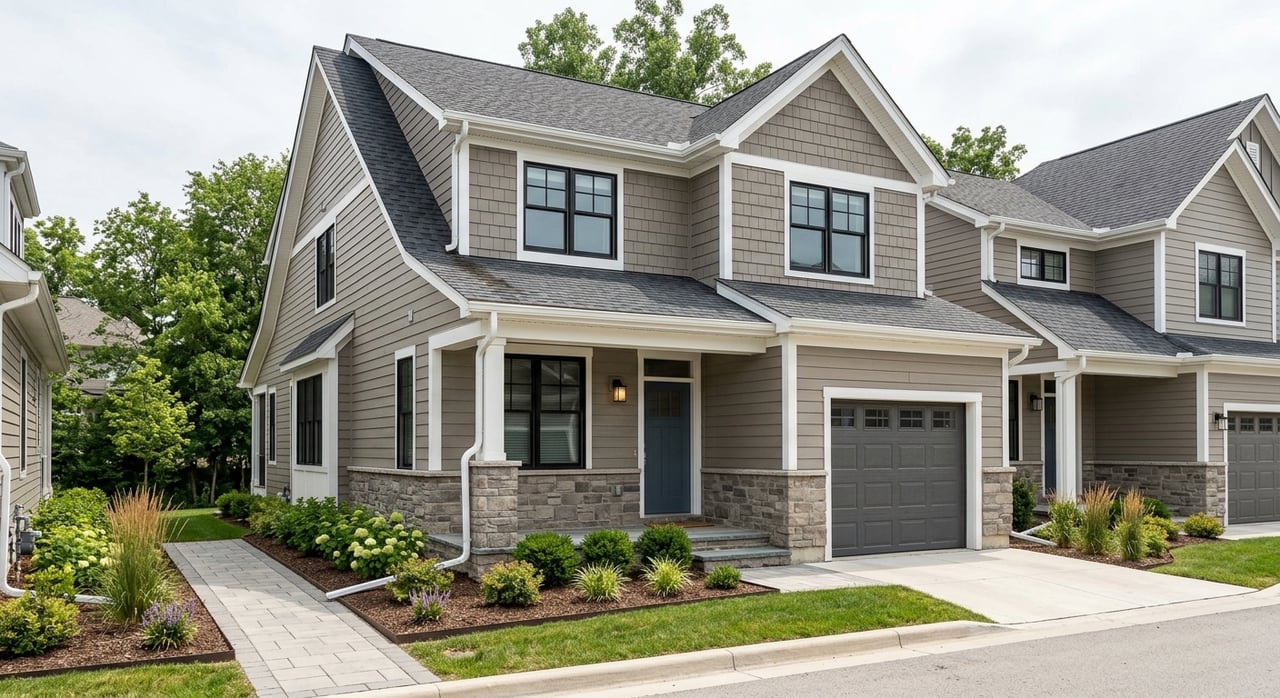
Thinking about buying a Waukegan home as a rental? It can look like an affordable way to enter the Lake County investment market, especially when Waukegan home prices sit below much of the county. But a lower purchase price does not automatically mean strong cash flow. If you want to make a smart move, you need to understand local rents, taxes, licensing, and property condition before you buy. Let’s dive in.
Why Waukegan Gets Investor Attention
Waukegan stands out because it offers a lower-cost entry point than many nearby Lake County communities. Census data estimates the city’s population at 87,940 as of July 1, 2025, with a 50.2% owner-occupied housing rate, a median owner value of $190,900, and median gross rent of $1,205. That mix points to a sizable rental market and steady demand for housing.
Current market data also helps explain the appeal. Zillow reports an average home value of $239,865 and an average rent of $1,585 in Waukegan, while Realtor.com places the median list price at $259.9K and median rent at $1.6K. By comparison, Zillow shows Lake County’s average home value at $384,534, which makes Waukegan a more attainable starting point for many small investors.
City-backed market research adds another useful layer. A residential market analysis for the broader northern Lake County area found very low vacancy in newer rental communities, limited new rental supply, and persistent pent-up demand. In that same study, sampled Waukegan apartment communities posted base monthly rents of $1,507 and $1,657.
What Affordability Really Means
Affordable does not always mean inexpensive to operate. In Waukegan, the success of a rental often depends less on the price tag and more on the monthly carrying costs after closing. Taxes, insurance, repairs, utilities, vacancy, and compliance costs can narrow your margin quickly.
That is especially true if you buy a house that needs major updates. A property that looks like a bargain upfront can become far more expensive if it has an aging roof, an older HVAC system, plumbing issues, or water intrusion. For a single-family rental, one vacancy means all rental income stops, so reliability matters.
Start With Simple Property Criteria
If you are buying a Waukegan home to rent out, simplicity is your friend. A straightforward house with manageable maintenance needs is often easier to own and easier to budget for over time. This matters even more if you are a first-time investor or buying from out of town.
As you review homes, focus on the basics:
- Roof age and condition
- HVAC age and service history
- Plumbing condition
- Signs of basement moisture or water intrusion
- Parking setup
- Functional layout for everyday living
- Overall repair exposure after closing
A home does not need to be perfect to work as a rental. It does need to be stable enough that you are not constantly spending money to keep it occupied and operational.
Know Waukegan Rental License Rules
Before a rental property in Waukegan can be occupied, it must have a rental license if it is within city limits. The city states that the license requires Planning and Zoning pre-approval plus a Building and Code inspection. The current fee is $60 per unit, and licenses expire annually on December 31.
That requirement makes pre-purchase due diligence very important. You do not want to assume a home can be rented immediately without understanding what the city will expect during inspection. If there are code issues, you may need repairs before you can place a tenant.
If you plan to renovate before renting, permits matter too. Waukegan requires permits and inspections for many types of construction work, and the city notes that permit fees can be doubled if work starts without an official permit posted. Working with contractors who know local procedures can help you avoid delays and added costs.
Review Flood and Moisture Risk Early
Moisture problems can hurt both your budget and your tenant experience. That is why flood and water review should be part of every rental purchase decision in Waukegan. A finished basement or lower-level area may look attractive on a showing, but it can also create added risk if the home has a history of water issues.
Illinois law requires written flood disclosures in leases if the property is in a FEMA special flood hazard area. It also requires disclosure for lower-level units if the landlord knows the property has flooded within the prior 10 years. Even if the property is not in a high-risk area, you should still look closely at drainage, grading, sump systems, and basement condition before you commit.
Underwrite the Property Conservatively
A rental only works if the numbers still make sense after real expenses are included. A simple underwriting formula is monthly rent minus vacancy, property taxes, insurance, repairs, maintenance, management, utilities, HOA dues, reserves, and debt service. This is not about perfection. It is about avoiding surprises.
Using Zillow’s average Waukegan home value of $239,865 and average rent of $1,585, the rough gross rent-to-price ratio is about 7.9% before expenses and financing. That can sound reasonable at first glance, but the gap gets tighter once you layer in actual ownership costs.
The financing side shows why caution matters. At Freddie Mac’s weekly average 30-year fixed rate of 6.51% on May 21, 2026, a 20% down loan on that price would be about $1,215 per month in principal and interest alone. That leaves only a modest cushion before you add taxes, insurance, repairs, turnover, and any utilities you may cover.
Watch Property Taxes Closely
In Lake County, property taxes can make or break a rental deal. The county says property taxes are collected by the Treasurer, and about 69% of the average bill goes to schools while roughly 7% goes to county government. For an investor, the key point is not where the tax goes. It is that the bill can be significant and must be modeled accurately.
You should never assume a tax bill will stay the same after purchase. Lake County also notes that exemptions may apply for eligible homeowners, seniors, disabled persons, and veterans. If the seller has an owner-occupant exemption, your tax burden as an investor may be higher than the prior bill suggests.
The safest approach is to review the actual parcel tax history and verify the current tax calendar before closing. That gives you a clearer picture of timing and likely carrying costs.
Do Not Ignore Utility Costs
Utilities can quietly reduce your monthly margin. In Waukegan, water is billed monthly, and the city lists a minimum bill of $16.44 for 0 to 2,000 gallons, with higher per-gallon charges above that level. If you plan to cover water or other utilities, those expenses belong in your rental analysis from day one.
This becomes even more important in older homes, where plumbing leaks, aging fixtures, or deferred maintenance can raise utility use. A home that looks workable on paper may perform differently once you account for real monthly bills.
Understand Illinois Rental Rules
Owning a rental means more than collecting rent. You also need to follow fair housing and landlord-tenant rules carefully. Federal fair housing law applies, and the Illinois Human Rights Act adds additional protected categories in housing.
Illinois also bars local rent control ordinances, which means Waukegan does not have a local rent cap. Even so, your pricing still needs to be based on the market and your lease terms. Strong management starts with clear, lawful, and consistent rental practices.
Security deposits also require attention. Illinois law generally requires a landlord who withholds part of a deposit for damages to provide an itemized damage statement within 30 days after move-out. Bad-faith noncompliance can carry penalties, so organized recordkeeping matters.
Build the Right Local Team
A good Waukegan rental purchase usually depends on local support. Because the city has rental licensing rules, permit requirements, inspections, and utility considerations, you need people who know how the process works in practice. That local knowledge can save you time and protect your budget.
Your team may include:
- A local real estate attorney
- A tax preparer or CPA
- An insurance broker
- A property manager
- A contractor familiar with Waukegan permits and inspections
If you are still in the buying stage, your real estate agent also plays an important role. The right agent can help you compare entry-level opportunities, spot red flags in older homes, and evaluate whether a property fits your goals before you tie up your money.
A Smart Approach to Buying in Waukegan
Waukegan can make sense if you want a lower-cost path into the Lake County rental market. The city offers home prices below much of the county, and local rent data points to steady demand. But this is not a market where you should buy based on price alone.
The better approach is to stay disciplined. Look for a home with manageable condition, realistic rent potential, and operating costs that still work after taxes, licensing, utilities, and reserves. If you do that, you give yourself a much better chance of owning a rental that performs the way you hoped.
If you are considering a Waukegan home as a rental and want practical guidance on which properties may fit your goals, Deena Allie can help you evaluate options with local market knowledge and a hands-on approach.
FAQs
What makes Waukegan appealing for a rental home purchase?
- Waukegan offers a lower average home value than much of Lake County, while local rent data and city market research point to steady rental demand and limited new supply.
What should you check before buying a rental home in Waukegan?
- You should review the home’s roof, HVAC, plumbing, basement moisture, parking, layout, repair needs, and whether the property is likely to pass city licensing and inspection requirements.
Does a rental home in Waukegan need a license?
- Yes. The City of Waukegan requires rentals within city limits to obtain a rental license before occupancy, with Planning and Zoning pre-approval, a Building and Code inspection, and annual renewal.
Why are property taxes so important for a Waukegan rental?
- Property taxes can significantly affect monthly cash flow, and investor-owned property may not qualify for the same exemptions that reduced a prior owner-occupant’s tax bill.
Should you budget for utilities when buying a Waukegan rental home?
- Yes. If you expect to pay water or other utilities, those costs should be included in your monthly underwriting because they can reduce your cash flow.
Are flood issues relevant when buying a rental home in Waukegan?
- Yes. You should review flood and moisture risk carefully, and Illinois law requires certain written flood disclosures in leases depending on the property’s location and history.
What professionals can help with a Waukegan rental purchase?
- A strong local team may include a real estate agent, real estate attorney, CPA or tax preparer, insurance broker, property manager, and contractor familiar with Waukegan’s permit and inspection process.