Deciding between a townhome and a single-family home in Zion can feel like a tradeoff between budget, space, and upkeep. You want the best value without surprise costs or limits that do not fit your lifestyle. In this guide, you will learn how ownership, maintenance, HOA rules, monthly costs, flexibility, and resale potential compare in Zion and the Lake County–Kenosha County border area. You will also get a simple checklist to compare two homes side by side. Let’s dive in.
What you own and maintain
Townhome basics
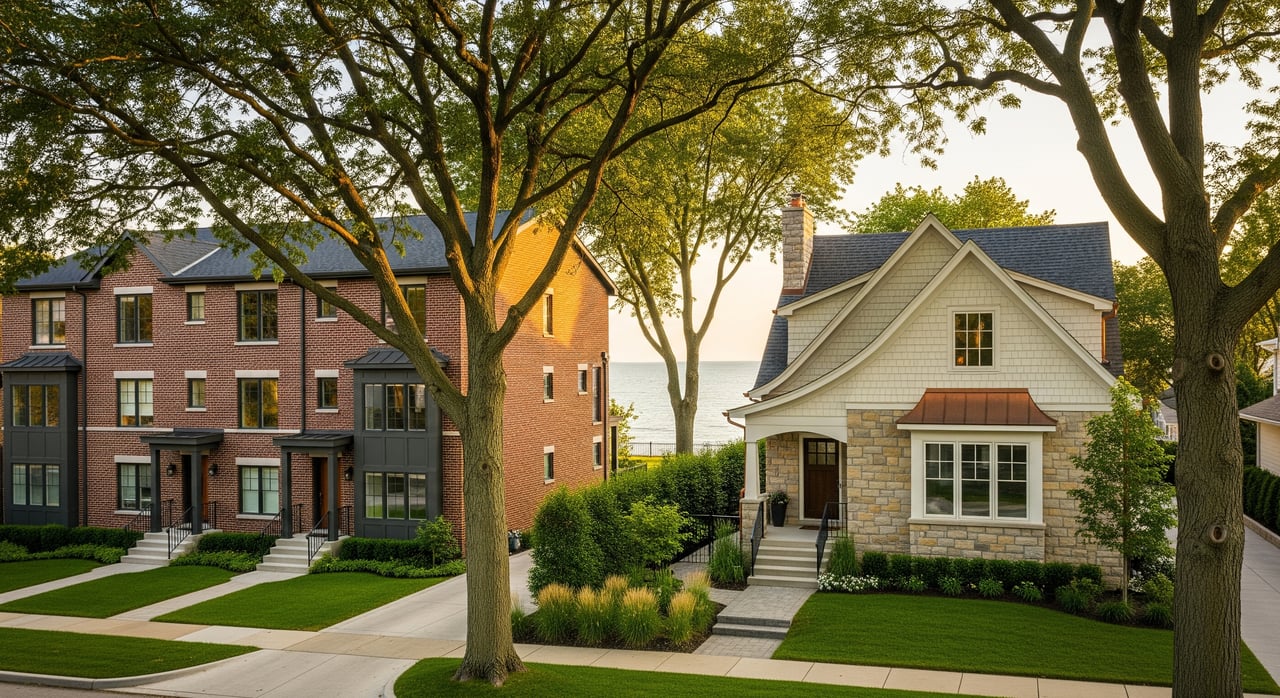
Townhomes are attached homes that share walls with neighboring units. You usually own the interior and, depending on the community, parts of the exterior. Most townhomes in Zion are within a homeowners association. The HOA typically manages common elements like exterior siding, roofing, snow removal, landscaping, and driveways.
You handle interior maintenance, systems, and any items not covered by the HOA. The exact split depends on the bylaws and master insurance policy, so you need to review the documents closely before you buy.
Single-family basics
Single-family homes are detached houses where you own the structure and the lot. You are responsible for everything: the roof, siding, yard, driveway, and all interior systems. Some single-family neighborhoods also have an HOA, but many do not. Without an HOA, your monthly fees are lower, but your maintenance and time commitment may be higher.
Monthly costs in Zion
Mortgage and property taxes
Your mortgage and property taxes will make up the largest part of your monthly payment. Purchase price and assessed value drive these costs. Lot size and improvements often increase assessments for single-family homes. Townhomes can have a lower entry price, but HOA fees add to monthly carrying costs. Always compare total monthly numbers, not just the purchase price.
Insurance differences
Insurance needs differ by property type:
- Townhome owners often carry an HO-6 policy that covers the interior, contents, and liability. The HOA’s master policy usually covers exterior elements. Confirm whether the master policy is walls-in or bare-walls.
- Single-family owners typically carry an HO-3 policy that covers the full structure and liability. If the home is near flood-prone areas, you may need separate flood insurance.
HOA fees vs yard and exterior care
HOA fees for townhomes usually cover exterior maintenance, snow removal, landscaping, and sometimes trash and water. That can make monthly costs more predictable. For single-family homes without an HOA, you will budget separately for lawn care, snow removal, and exterior repairs. If you prefer a low-upkeep lifestyle, a townhome’s included services can be appealing.
Maintenance and time commitment
Townhome maintenance profile
A townhome shifts much of the exterior work to the association, which reduces your direct tasks. You will still maintain interior systems and finishes. Be aware of special assessments if the HOA needs funds for big projects like roof replacement. Predictable monthly fees are a plus, but you should check reserves and planned capital projects.
Single-family maintenance profile
With a single-family home, you control your property and timing of upgrades. You will also handle more routine work. A common rule of thumb is to budget about 1 to 3 percent of the purchase price per year for maintenance and repairs. Older homes or large yards may need more. Major systems follow typical lifespans: roofs often last 20 to 30 years, HVAC systems about 15 to 20 years, and water heaters around 10 to 15 years. An inspection will help you estimate what is coming due.
HOA due diligence checklist
If you are considering a townhome, reviewing the HOA is essential. Ask the seller or HOA manager for a full packet and look for:
- Fee schedule, what is included, and any transfer fees
- Current budget and reserve study
- Recent and planned special assessments
- CC&Rs, bylaws, and house rules
- Rental caps, pet rules, and architectural guidelines
- Meeting minutes from the last 12 months
- Master insurance policy coverage details
- Any ongoing or past litigation
These documents tell you what you can do with the property, what costs to expect, and whether the association is financially healthy.
Flexibility and control
Renovations and exterior changes
Most HOAs set standards for exterior appearance, materials, and colors. If you want maximum control over exterior projects, single-family homes usually offer more flexibility. Townhome owners often need board approval for exterior changes.
Renting and approvals
Many HOAs limit or cap rentals, which can affect your flexibility if you plan to move and keep the home as an investment. Single-family homes often have fewer restrictions, but always confirm local rental registration rules and any neighborhood covenants before you buy.
Outdoor space and expansion
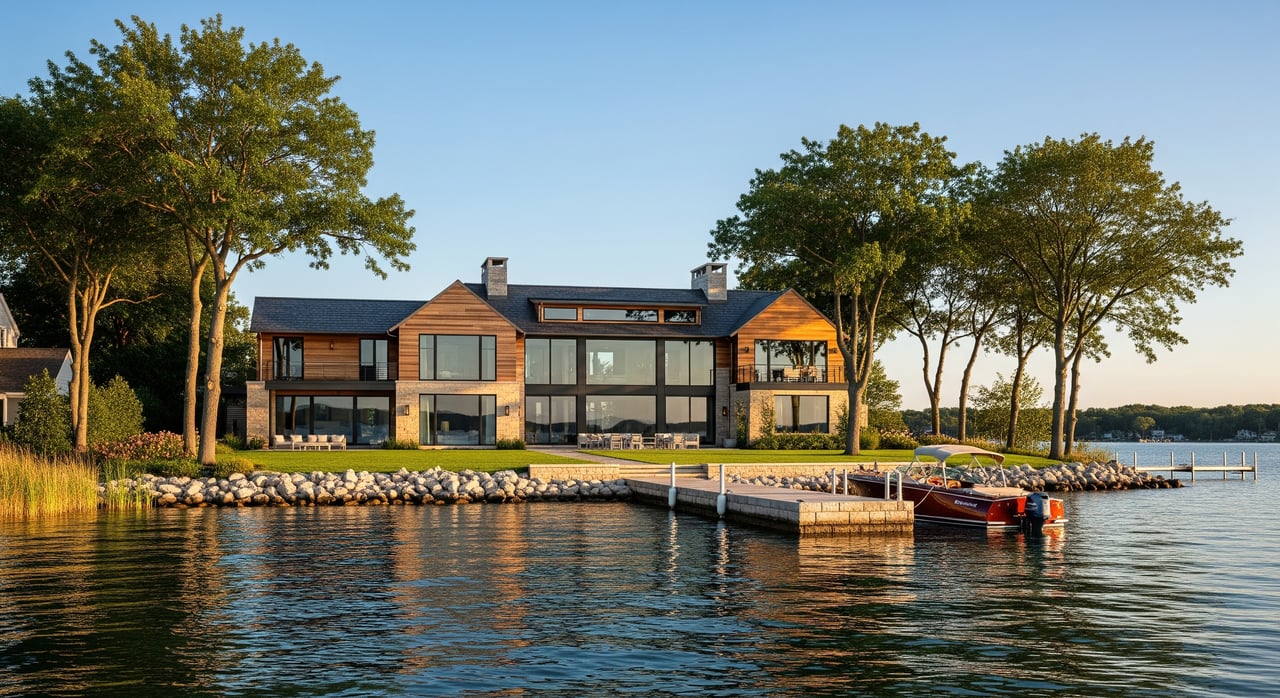
Single-family homes typically provide private yards and options to add features like decks or sheds, subject to city permits and setbacks. Townhome outdoor areas are usually smaller and may be limited to patios or shared green space.
Resale outlook in Zion
Resale depends on demand, price point, and condition. In Zion, townhomes often attract first-time buyers and downsizers who want lower upkeep and predictable costs. Single-family homes appeal to buyers who prioritize private yards, storage, and long-term control over the property.
Liquidity can vary by season and inventory. Your resale options improve when you choose a well-maintained home, confirm the HOA’s financial stability, and stay close to everyday amenities. Keep these risk factors in mind:
- HOA financial issues or litigation that can shrink the buyer pool
- Oversupply of similar townhome floor plans that increases competition
- Proximity to environmental risks, including flood zones
Location factors near Lake Michigan
Commutes and access
Proximity to major roads, regional job centers in Waukegan, North Chicago, and Kenosha, and access to commuter routes all influence value and day-to-day convenience. Compare potential drive times for your regular routine.
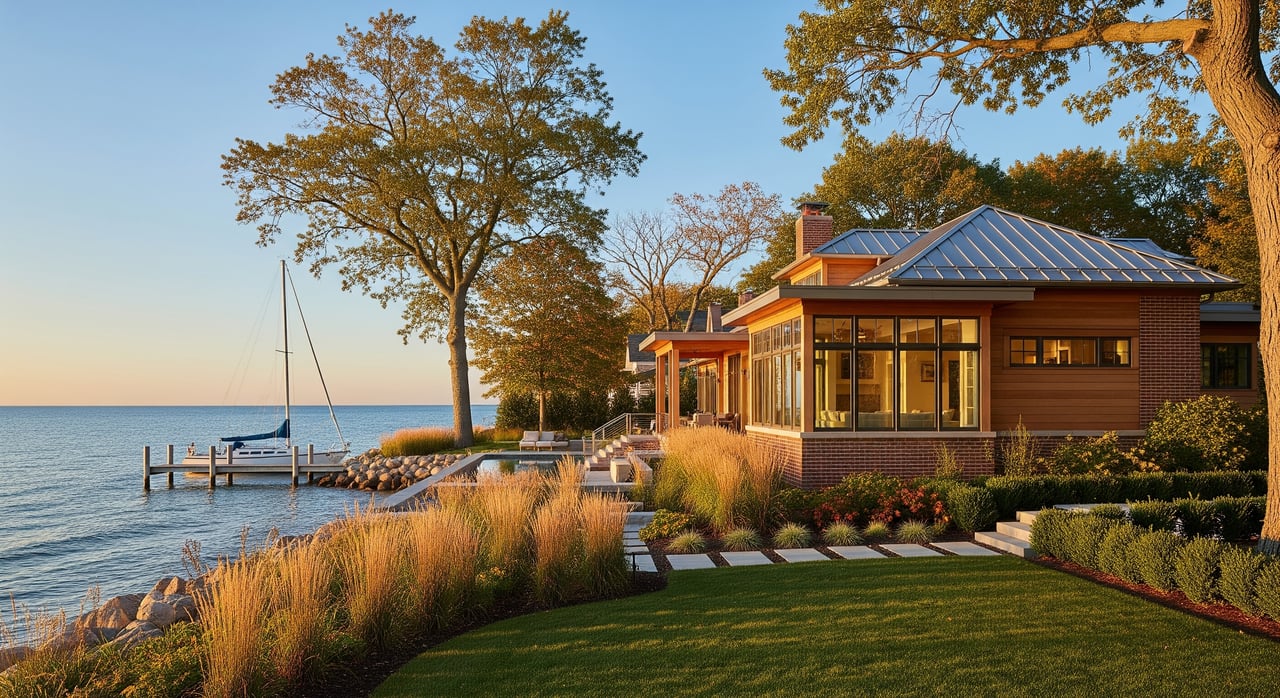
Flood and shoreline considerations
Homes near Lake Michigan or within mapped floodplains may need flood insurance. Review flood zone data and ask your insurer for guidance. Factor any required policy into your monthly budget.
Cross-border considerations
Some buyers compare Illinois and Wisconsin costs for work and lifestyle reasons. If you expect to commute or shop across the state line, compare taxes, insurance, and utilities as part of your total cost of living. Your decision may come down to which home type gives you the most value for your budget in Zion.
Decision guide - what fits you
Use this quick matrix to lean one way or the other. Your final choice should match both your budget and lifestyle.
- Prioritize lower monthly workload and predictable exterior costs - Townhome
- Want private yard, storage, and more control over the property - Single-family
- Need maximum flexibility for renting or future expansion - Single-family
- Prefer a lower purchase price to get started - Townhome is often the entry point
- Value community rules that keep exteriors consistent - Townhome
- Want freedom to customize and time upgrades as you wish - Single-family
Compare two Zion homes step by step
When you narrow your list to one townhome and one single-family home, use this simple process to see the true monthly difference.
- Confirm loan terms
- Get a preapproval and interest rate quote. Use the same down payment and loan program for both homes to keep the comparison fair.
- Estimate property taxes
- Ask for the most recent tax bill or look up the assessed value and current exemptions. Note that assessments can change after a sale.
- Price insurance correctly
- Townhome: request an HO-6 quote and confirm what the HOA master policy covers.
- Single-family: request an HO-3 quote and ask about any flood insurance needs.
- Evaluate HOA costs vs exterior costs
- Townhome: note the monthly HOA fee and list what it includes, plus any transfer or move-in fees.
- Single-family: estimate monthly yard care, snow removal, and a reserve for exterior repairs.
- Add utilities and set a maintenance reserve
- Include typical gas, electric, water, and sewer. For maintenance, set aside a monthly amount that aligns with the 1 to 3 percent annual rule of thumb for single-family homes. For townhomes, keep a cushion for interior repairs and possible HOA special assessments.
- Stress test your budget
- Ask about upcoming capital projects, like roof or siding replacement in a townhome community. For single-family homes, use the inspection report to estimate near-term costs for roof, HVAC, and major systems.
Add these items together for each property. The lower sticker price does not always mean the lower monthly cost once you include HOA fees, insurance differences, and maintenance.
Next steps
Your best choice in Zion is the one that aligns with your budget, time, and long-term plans. If you want low upkeep and predictable exterior costs, a townhome can be a smart start. If you want yard space, control, and flexibility for the future, a single-family home may fit better. Either way, careful review of HOA health, insurance needs, taxes, and maintenance will protect your purchase.
If you want a side-by-side breakdown for homes you are considering, schedule a buyer strategy session. You will get a clear comparison and a plan to shop with confidence. Connect with Deena Allie to Schedule a Consultation.
FAQs
Which costs more monthly in Zion - a townhome or a single-family home?
- It depends on the specific homes: compare mortgage, taxes, insurance type, HOA fees for a townhome, and yard or exterior costs for a single-family.
Can an HOA protect me from surprise repair bills on a townhome?
- An HOA can cover many exterior items, but special assessments can occur, so review the budget, reserves, minutes, and master policy before you buy.
Is it easier to resell a townhome or a single-family home in Zion?
- Buyer pools differ: townhomes often attract first-time buyers and downsizers, while single-family homes draw buyers needing yards and control over the property.
What are the insurance differences for Zion townhomes vs single-family homes?
- Townhomes typically use HO-6 interior policies plus an HOA master policy, while single-family homes use HO-3 policies and may require separate flood insurance in some areas.
How does being near Lake Michigan affect my choice in Zion?
- Proximity to flood zones can influence insurance needs and long-term costs, so confirm flood risk and include any required coverage in your budget.
What hidden fees should I check for in a Zion townhome purchase?
- Look for HOA transfer fees, move-in fees, planned special assessments, and any rules that could add costs, such as fines or approval fees for changes.