Wondering why one Lindenhurst home feels easy to live in, while another looks similar online but functions very differently in person? That usually comes down to home style. If you are buying in Lindenhurst, understanding how ranch, split-level, and two-story homes work can help you choose a house that fits your budget, your daily routine, and your long-term plans. Let’s break it down.
Lindenhurst Homes at a Glance
Lindenhurst is a small suburban village of about 4.5 square miles, and its housing stock leans heavily toward owner-occupied living. According to recent Census data, 85.5% of housing units are owner-occupied, and 92.5% of residents lived in the same house one year ago. That stability helps explain why many buyers here are looking for homes that work well not just today, but for years to come.
The local housing mix is also useful to know before you start touring homes. Lindenhurst’s 2026 Housing Action Plan says about 80% of homes are single-family, 12% are townhomes, and 8% are multifamily. The same plan notes that nearly two-thirds of homes were built since 1980, while older areas near Grand Avenue include smaller homes and many ranch-style properties.
That means you are not shopping in a place with one standard floor plan. Instead, you will likely see a mix of mid-century homes and later subdivision construction. Knowing the basic strengths and tradeoffs of each style can make your showings much more productive.
Why Home Style Matters
A home’s style affects more than curb appeal. It shapes how you move through the house, how much yard you may have left, how separated the bedrooms are from shared spaces, and what kinds of updates may matter over time.
In Lindenhurst, style also matters because older and newer homes can feel very different in layout. A smaller ranch near older sections of the village may offer simple one-level living, while a newer two-story home may provide more interior space on a similar lot. Neither is automatically better. The right choice depends on how you want to live.
Ranch Homes in Lindenhurst
What defines a ranch
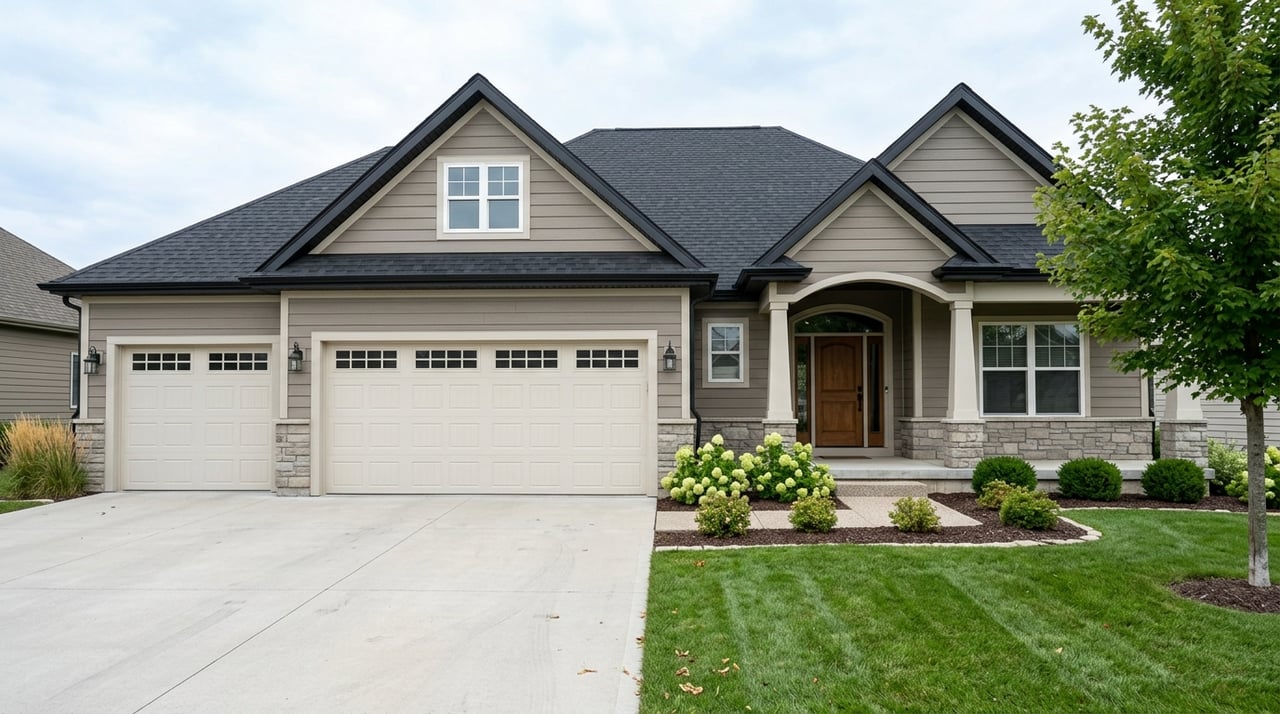
A ranch home is a one-story house with all rooms on one floor and typically a low-pitch roof. Many ranch layouts use zoned living spaces, which often means shared areas and bedroom areas are somewhat separated even without a second floor.
In simple terms, a ranch is usually the most straightforward layout to understand. You enter, move through the main spaces, and do not deal with daily stair use. For many buyers, that simplicity is the main appeal.
Why buyers like ranch homes
Ranch homes can be a strong fit if you want single-level living. They are often easier to navigate, easier to adapt over time, and practical for buyers who want fewer day-to-day obstacles between bedrooms, bathrooms, kitchen, and living areas.
Lindenhurst’s Housing Action Plan specifically notes that older ranch-style neighborhoods are well suited to seniors wishing to age in place and first-time buyers seeking starter homes. That makes ranch homes especially worth a look if you want a more manageable layout or a simpler entry point into the market.
The tradeoffs of a ranch
Because ranch homes spread across the lot, they often have a wider footprint than taller homes. That can affect driveway layout, garage placement, and how much yard remains around the house itself.
A ranch may feel easier inside, but it still comes with upkeep. Roof, siding, windows, decks, fences, basements, and additions all require attention over time. In Lindenhurst, the village handbook notes that many common projects, including roofing, siding, window replacement, finished basements, kitchens, baths, garages, sheds, decks, and fences, may require permits.
Split-Level Homes in Lindenhurst
What defines a split-level
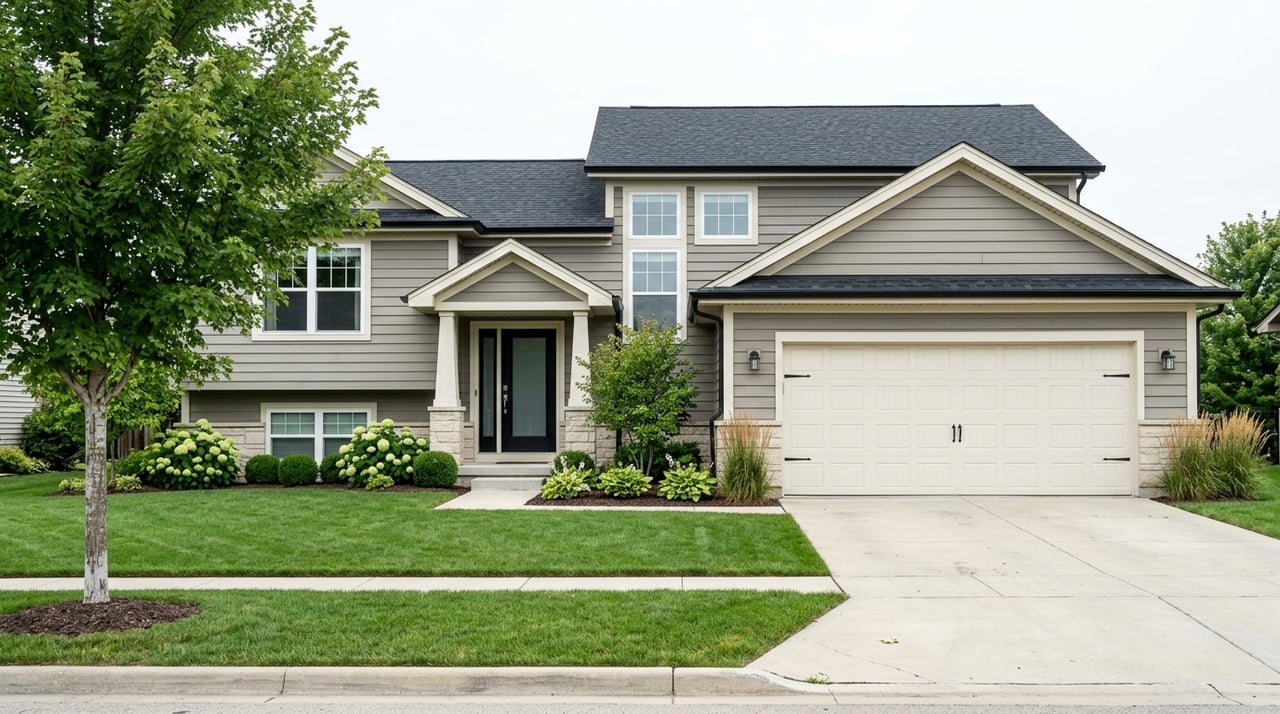
A split-level home uses staggered floors rather than one flat level or two full stacked stories. Typically, one side of the house has one floor, while another side has two floors offset by a half-story. Bedrooms are often on the upper level, while the main living areas sit on a middle level, and the garage or lower level may be tucked beneath part of the house.
This layout became popular because it offered more interior space while using less lot area than a ranch of similar size. For buyers, that makes the split-level a practical middle option.
Why buyers consider split-level homes
If you want more separation between spaces without going fully vertical like a traditional two-story, a split-level can make sense. It often gives you a more compact footprint than a ranch while still creating distinct areas for living, sleeping, and storage.
That separation can be useful in everyday life. Shared spaces may feel more removed from bedroom areas, and the home can often fit a lot of function into a smaller exterior form.
The tradeoffs of a split-level
The biggest difference is stairs. In a split-level, a few steps often connect the entry, main living area, bedrooms, garage, and lower level. Even if each stair run is shorter than in a full two-story house, you are still using stairs regularly.
When you tour a split-level in Lindenhurst, pay close attention to how the home flows. Count the steps from the driveway to the front door, from the entry to the kitchen, and from the garage to the main level. That circulation pattern often matters more in daily life than the square footage on paper.
Two-Story Homes in Lindenhurst
What defines a two-story home
A two-story home has two full floors of living area, with the first floor usually at grade level. Instead of spreading the house outward, this style stacks living space vertically.
In many two-story layouts, the first floor holds the main living spaces, while the second floor contains bedrooms and more private rooms. That arrangement is common because it creates clear separation between daytime activity and quieter spaces.
Why buyers like two-story homes
A two-story home can deliver more finished living space without taking up as much ground-floor area as a ranch with similar square footage. In practical terms, that may leave more usable outdoor space on the lot for a patio, lawn, or other exterior use.
This style can also work well if you prefer bedroom privacy away from the busiest parts of the house. For many buyers, that separation is a real advantage, especially when comparing homes with similar lot sizes.
The tradeoffs of a two-story
The main compromise is again stairs, but with a more fully vertical layout than a split-level. If you want easy single-level living, a two-story may not be your first choice.
Still, if you value separation between shared and private spaces, a two-story can be a strong fit. It often gives you a more efficient footprint than a ranch while offering a more traditional room arrangement than a split-level.
Comparing Lindenhurst Home Styles
Here is a simple way to think about the three styles you are most likely to compare in Lindenhurst:
| Home Style | Best Known For | Main Tradeoff |
|---|---|---|
| Ranch | One-level living and simpler movement | Larger footprint on the lot |
| Split-Level | More space in a compact form | Multiple short stair runs |
| Two-Story | Vertical space and bedroom separation | Full daily stair use |
This is why style matters so much during your home search. Two houses can have similar square footage but feel completely different once you walk through them.
What to Notice During Showings
In Lindenhurst, the smartest buyers look past finishes and ask how the house works day to day. A fresh kitchen matters, but layout often affects your comfort more than paint color or countertops.
As you tour homes, keep these questions in mind:
- How many stairs are there from the driveway to the main living area?
- Is the garage attached, built underneath, or separated from the main entry flow?
- How much of the lot is occupied by the house footprint?
- Do the bedroom and living areas feel connected in a way that works for you?
- Are visible updates like roofing, siding, windows, decks, or fences likely to need attention soon?
- If you plan future improvements, will those projects likely involve village permits?
These are especially useful questions in Lindenhurst because the village handbook lists many routine exterior and interior projects that may require permits. That is important for budgeting, planning, and comparing one home’s condition against another.
Why Older and Newer Homes Feel Different
Part of Lindenhurst’s character comes from how it developed over time. The village handbook explains that the community grew from a 1952 subdivision of a 600-acre farm, with the first homes built in 1953. That history helps explain why you may see older mid-century forms in some areas and newer subdivision-style homes in others.
So when one home feels smaller, wider, or more stair-heavy than another, that is not random. It often reflects when that part of Lindenhurst was built. Older homes near Grand Avenue may offer smaller footprints and more ranch options, while newer sections may lean toward later suburban layouts.
How to Choose the Right Fit
If you want the simplest daily layout, a ranch may be the easiest choice. If you want a balance between footprint and interior separation, a split-level may deserve a closer look. If you want more vertical living space and stronger separation between common areas and bedrooms, a two-story may suit you best.
The key is to match the house to your real routine. Think about how you carry groceries, where you spend most of your time, how long you plan to stay, and whether stairs feel like a feature or a burden. The right home style is the one that supports your life without making everyday tasks harder than they need to be.
If you want help comparing home styles and narrowing down the right fit in Lindenhurst, Deena Allie can guide you through the options with practical local insight and full-service support.
FAQs
What home styles are most common for buyers in Lindenhurst?
- Lindenhurst is mostly made up of single-family homes, and buyers will commonly compare ranch, split-level, and two-story layouts.
What makes a ranch home different in Lindenhurst?
- A ranch home is a one-story house with all main rooms on one floor, which many buyers like for simpler daily living and easier long-term use.
What should buyers know about split-level homes in Lindenhurst?
- Split-level homes offer staggered floors and can fit more interior space into a smaller footprint, but they usually involve multiple short stair runs.
Are two-story homes a good option in Lindenhurst?
- Two-story homes can be a strong option if you want more living space stacked vertically and more separation between common areas and bedrooms.
Do home updates in Lindenhurst require permits?
- Many common projects may require permits in Lindenhurst, including roofing, siding, windows, decks, fences, garages, sheds, finished basements, and kitchen or bath remodeling.
Why do older Lindenhurst homes feel different from newer ones?
- Lindenhurst developed over several decades, so buyers often see a mix of mid-century home styles and newer subdivision-era layouts rather than one uniform housing pattern.