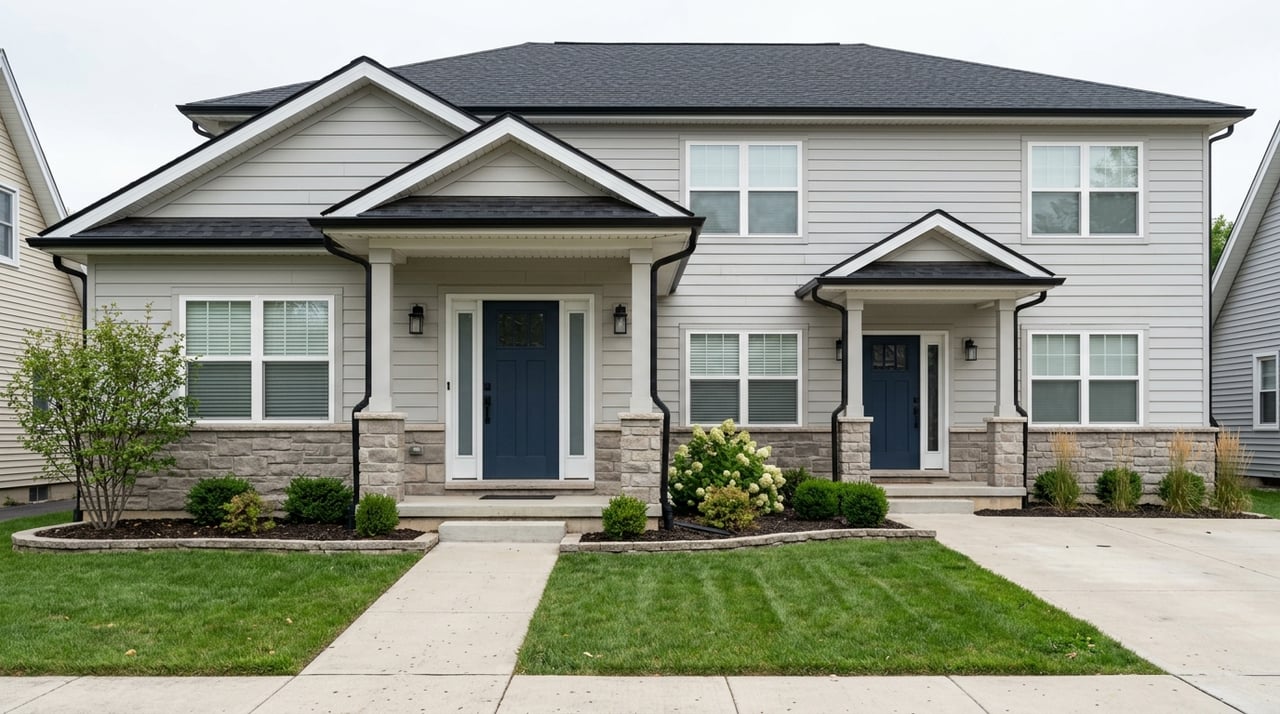
If you are looking for a small rental property in Winthrop Harbor, the biggest opportunity may be hiding in plain sight: limited supply. This is a village with a stable, mostly owner-occupied housing base, which can make the rental market feel quieter than nearby areas. For you, that means opportunity and caution need to go hand in hand. In this guide, you will learn where small rental opportunities may exist, what numbers to study closely, and what local rules to check before you buy. Let’s dive in.
Why Winthrop Harbor Stands Out
Winthrop Harbor is a small Lake County village with an estimated 6,565 residents and 2,865 households, according to the U.S. Census Bureau. The same source reports a median household income of $95,690, a median gross rent of $1,313, and a median owner-occupied home value of $250,800.
What matters most for rental-property buyers is the housing mix. The Census reports an 87.3% owner-occupied housing rate, which means renter inventory is relatively limited. It also shows 93.0% of residents lived in the same home one year earlier, a sign of a stable local housing base.
For you as a buyer, that stability can be appealing. It may point to lower day-to-day turnover than in a renter-heavy market, but it also means you should not assume a constant flow of available tenants or comparable rental listings.
Rental Demand Is Small but Real
A recent snapshot from Zumper’s Winthrop Harbor rent research showed 16 rentals on the market as of March 29, 2026, with a median rent of $1,400. On that same page, houses averaged $1,870 while apartments averaged $1,400.
That does not automatically mean rents are easy to achieve. Instead, it suggests Winthrop Harbor has a thin rental submarket, where each property can compete in a smaller pool. In practical terms, you should underwrite vacancy conservatively and expect fewer direct comps than you might find in a larger suburb.
One local advantage is access to transit. The Village of Winthrop Harbor Metra page highlights the village’s convenient Metra stop between downtown and North Point Marina, which can appeal to renters who value rail access to Chicago and north shore communities.
Best Small Rental Property Types
If you are searching for a practical entry point, small rental opportunities in Winthrop Harbor will usually fall into a few categories:
- Single-family homes used as rentals
- Duplexes
- Small attached residential units
- Limited small multifamily properties where zoning allows
The local zoning framework matters here. According to the Village of Winthrop Harbor zoning page, R-1, R-2, and R-3 are single-family districts, R-4 is Duplex/Multi-family, and R-6 is Attached Unit Residential.
That is important because you should never assume a parcel can be converted, expanded, or used as a multi-unit rental without confirming the zoning first. The village provides a street-address-level zoning map and classification guide, which should be part of your early review before you make an offer.
Where Small Multifamily May Appear
Historical planning documents offer helpful context. The village’s 2016 comprehensive plan describes Winthrop Harbor as primarily residential, with single-family parcels making up 97.4% of residential acreage and multifamily or mixed-use residential uses making up 1.2%.
The same plan noted that the village’s limited multifamily housing was scattered along 9th Street and both sides of Sheridan Road. It also referenced the area near the Metra station as a possible multifamily opportunity area, although wetlands and protected land were identified as development constraints.
Because that plan is from 2016, it should be used as background, not as a current inventory count. Still, it helps you understand why small rental opportunities here often feel selective rather than abundant.
What Numbers to Underwrite Carefully
In a market like Winthrop Harbor, smart investing starts with disciplined underwriting. A limited rental supply does not guarantee easy leasing, and one unexpected repair can quickly change your annual return.
Here are the main numbers and issues to stress-test before you buy:
Vacancy and lease-up time
With a relatively small number of active rentals, it is wise to model for slower tenant placement and some seasonal variation. The research suggests you should avoid assuming immediate lease-up between tenants.
A conservative approach can help protect your cash flow. If your investment only works with zero downtime, the numbers may be too tight.
Property taxes
Property taxes are a major operating cost in Lake County. The Lake County tax information page explains that tax bills are distributed across multiple taxing districts, with schools receiving about 69% of the average bill and Lake County government about 7%.
That means tax history matters just as much as rent potential. Before you buy, review the current bill, ask how the property is assessed, and understand how a sale or improvements could affect future taxes.
Maintenance reserves
For a small rental, maintenance tends to hit in uneven waves. A roof replacement, HVAC failure, plumbing issue, or basement moisture problem can shift your yearly results fast.
Your inspection and budget should focus on basics such as:
- Roof age and condition
- HVAC age and service history
- Plumbing and electrical systems
- Basement moisture or drainage issues
- Exterior siding, windows, and doors
- Parking setup
- Utility separation
- Shared systems in duplexes or small multifamily buildings
Zoning and permits matter early
In Winthrop Harbor, the zoning map and permit rules are not something to check later. They should be part of your first-pass screening.
The village’s permits page states that a building permit is required for most projects, including many renovations, fences, and replacement windows. It also notes that the planning and zoning board handles variances and zoning-related requests.
If you are considering updates, a layout change, or a possible conversion, verify the property’s zoning and permit path before you commit. This step can help you avoid buying a property based on a plan that is not allowed.
Lease compliance to know in Illinois
If you plan to become a landlord, your paperwork needs to be current. As of January 1, 2026, the Illinois Department of Human Rights says landlords must provide the Summary of Rights for Safer Homes as the first page of every written residential lease, including renewals.
Security deposit rules also depend on building size. Illinois Legal Aid Online explains that outside Chicago, landlords of buildings with 24 or fewer apartments generally do not have to pay interest on security deposits, while buildings with 25 or more apartments do.
For most small rental buyers in Winthrop Harbor, that means the interest rule may not apply. Even so, deposit collection, lease language, and recordkeeping still need to be handled carefully.
A practical buying approach
If you are thinking about buying a small rental property in Winthrop Harbor, keep your process simple and disciplined.
Start with the right target
Focus first on property types that fit the village’s existing housing pattern. In many cases, that means single-family rentals or duplex opportunities rather than assuming large multifamily options will be easy to find.
Confirm zoning before assumptions
Check the parcel against the village zoning map before you rely on listing language or future plans. This is especially important if you are considering an attached unit, duplex, or any change in use.
Build in a stronger reserve
Because this is a smaller rental market, cash reserves matter. Give yourself room for vacancy, maintenance, and tax changes rather than underwriting to a best-case scenario.
Assemble local support
When you move beyond early research, it helps to involve the right professionals. Depending on the property, that may include a real estate attorney, tax adviser, inspector, lender, and property manager.
If you want help identifying the right fit in Winthrop Harbor or elsewhere in Lake County, Deena Allie can help you evaluate listings, compare opportunities, and move forward with practical guidance that keeps your goals and risk tolerance front and center.
FAQs
What makes Winthrop Harbor different for rental-property buyers?
- Winthrop Harbor has a high 87.3% owner-occupied housing rate and a relatively small rental inventory, which can create selective opportunities but also calls for conservative vacancy planning.
What rent range should you expect in Winthrop Harbor?
- Current reference points include the Census median gross rent of $1,313 and a March 2026 Zumper median rent of $1,400, with houses renting higher on average than apartments.
Can you buy a duplex in Winthrop Harbor?
- Yes, but you need to verify the parcel’s zoning first, since the village zoning guide identifies R-4 for Duplex/Multi-family and R-6 for Attached Unit Residential.
What costs should you watch most on a Winthrop Harbor rental?
- The biggest variables are usually vacancy, property taxes, and maintenance, especially on older or lightly updated properties.
What local office should you check before remodeling a Winthrop Harbor rental?
- Start with the Village of Winthrop Harbor’s building and zoning resources to confirm permit requirements, zoning classification, and whether any variance or review may be needed.