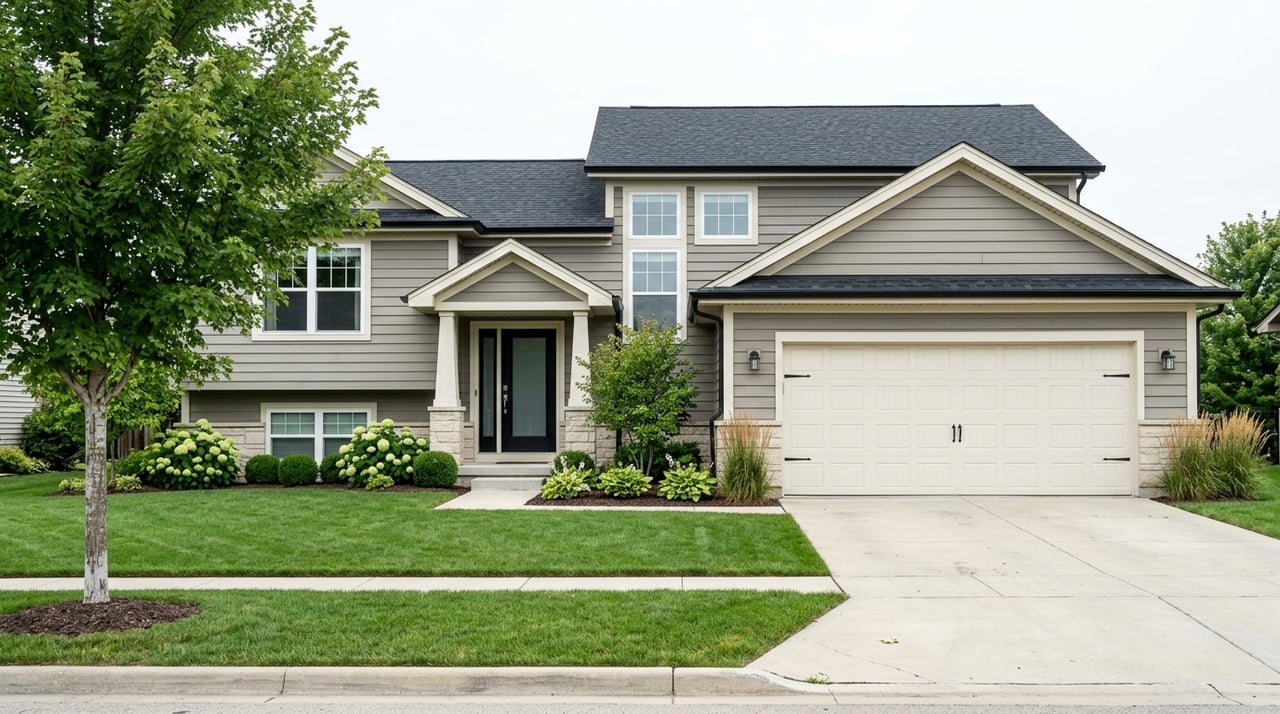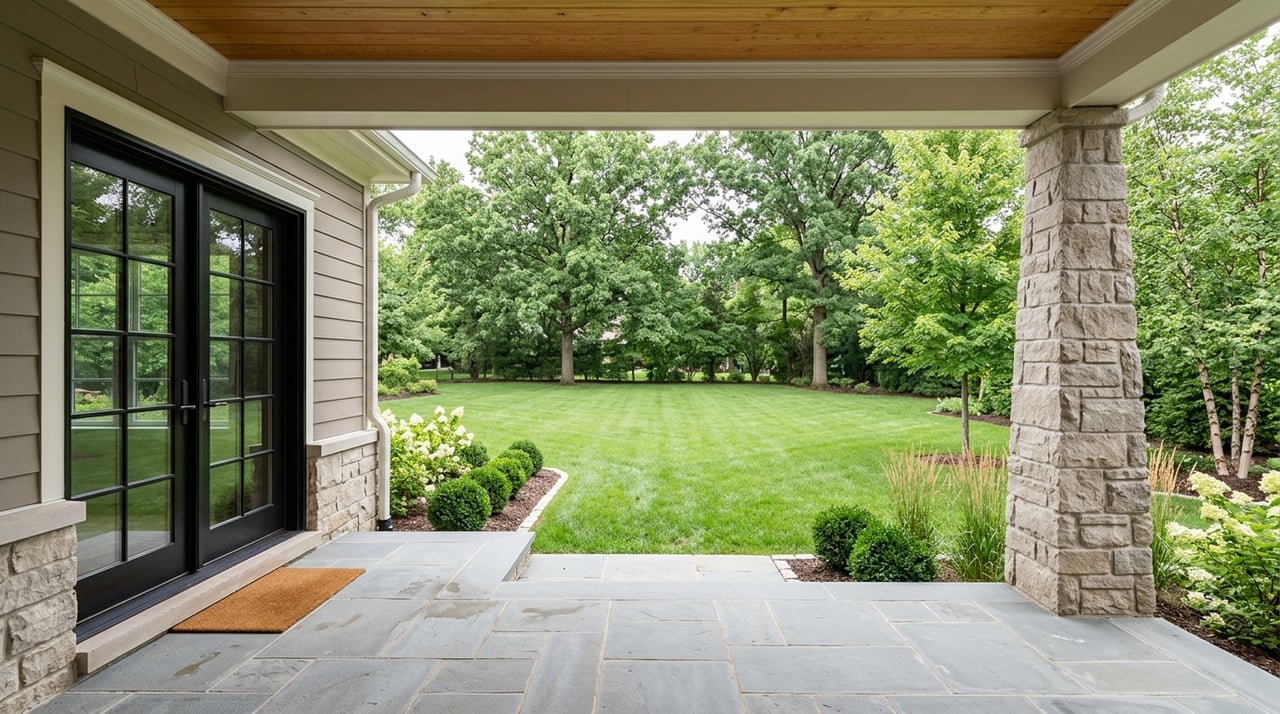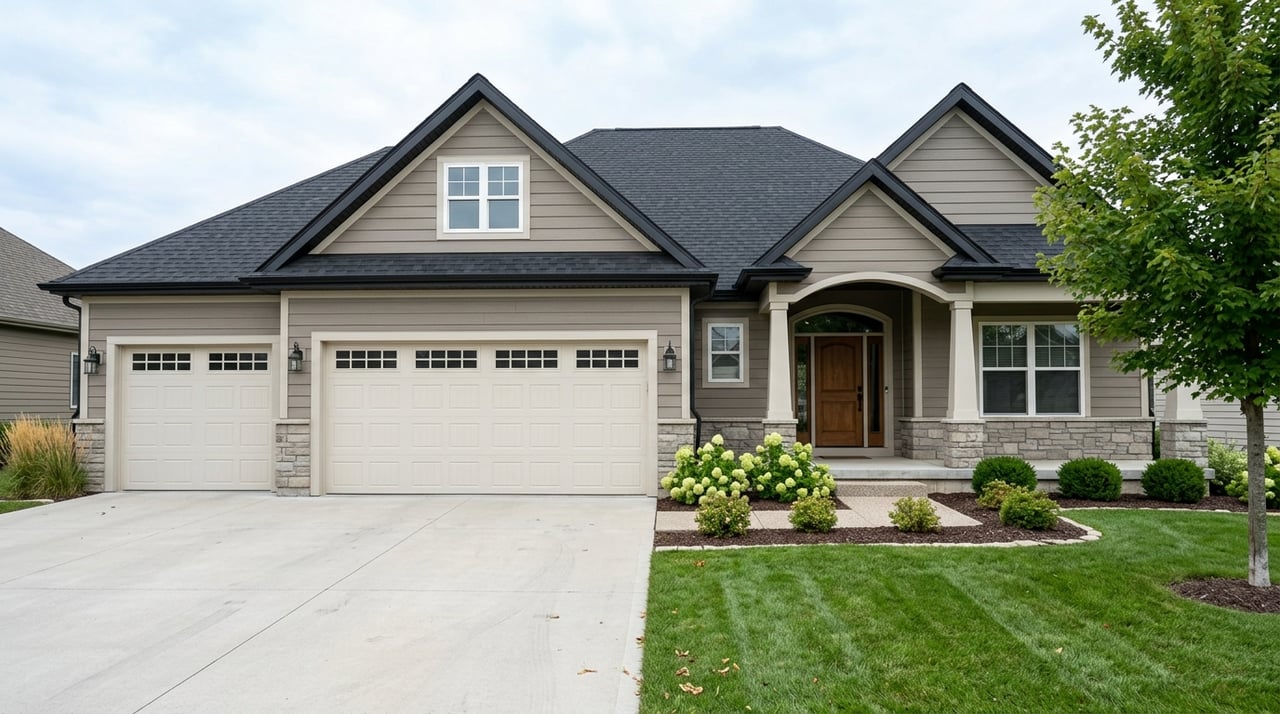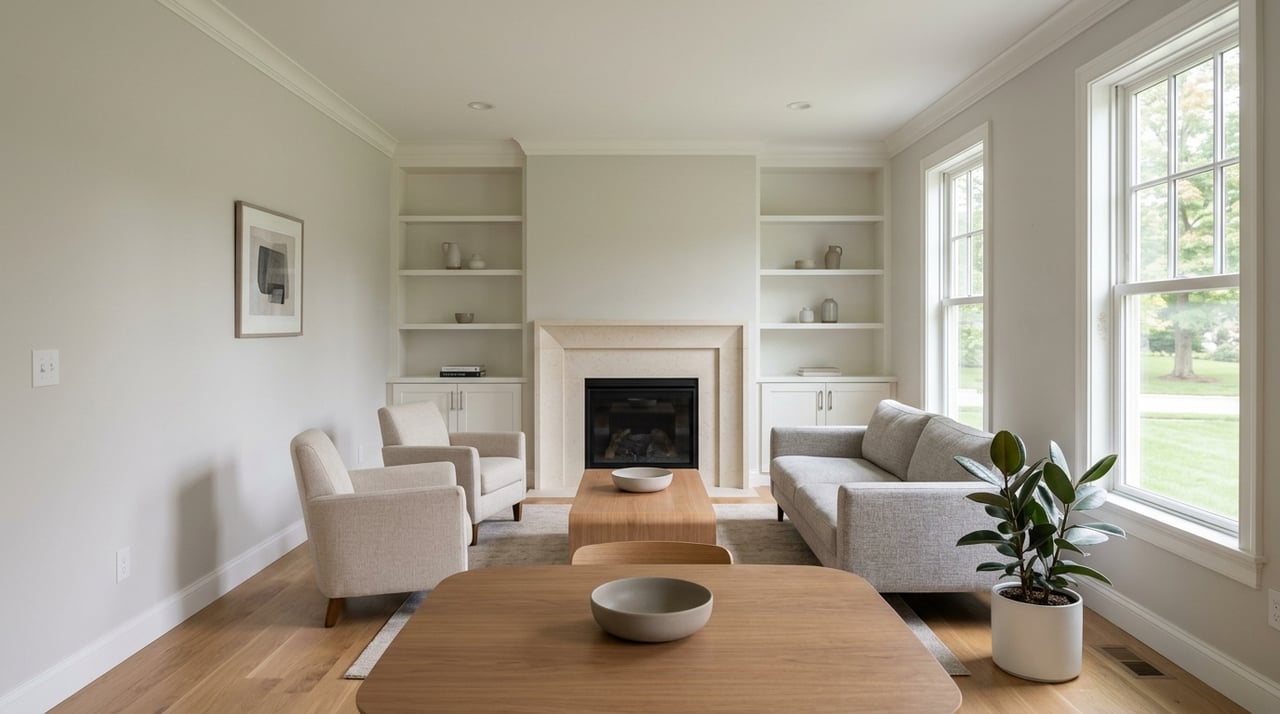
Buying in Lake Forest on a budget can feel like aiming for a premium market with everyday numbers. If you have been browsing listings and wondering whether a Lake Forest address is still possible without a seven-figure budget, you are not alone. The good news is that there are options if you go in with clear expectations, smart priorities, and a plan that matches the local market. Let’s dive in.
Why Lake Forest Feels Expensive
Lake Forest is a high-value housing market by almost any measure. Census data shows a median value of owner-occupied homes at $909,800, and more recent 2026 market snapshots put the median sale price around $1.25M to $1.3M. In May 2026, MRED reported just 39 homes for sale at month-end, which helps explain why buyers on a real budget can feel squeezed.
This is not just a temporary pricing story. The city’s housing mix leans heavily toward single-family detached homes, which make up 76.6% of the housing stock, while only 0.5% of city acreage is used for multifamily residential. In simple terms, lower-cost inventory is limited by design, not just by market timing.
What a Real Budget Can Buy
If your budget is below the city’s median pricing, it helps to define success differently. In Lake Forest, a realistic budget often buys you a condo, an attached home, a smaller detached property, or land rather than a large updated estate.
Recent listing snapshots make that clear. Under $500,000, visible inventory included mostly attached units or vacant parcels, such as a 2-bedroom, 2-bath condo at $359,000, a 1-bedroom, 1.5-bath condo at $235,000, and lots priced from $235,000 to $485,000. Under $800,000, visible options expanded somewhat, including a 2-bedroom, 2-bath home at $599,000 and a 3-bedroom, 2.5-bath house at $759,999, but supply still looked limited.
Under $500K in Lake Forest
At this price point, you will likely be choosing from:
- Condos
- Attached homes
- Vacant land
- Occasional smaller units with fewer bedrooms or baths
If your main goal is the Lake Forest address itself, this range may still work. You may just need to trade square footage, privacy, or move-in-ready condition for location.
Under $800K in Lake Forest
This range can open the door to a few more detached-home possibilities. Still, these homes are typically smaller and more limited than what many people picture when they think of Lake Forest.
That does not mean the opportunity is not real. It means your search needs to focus on fit, not fantasy.
Set Priorities Before You Tour Homes
When inventory is tight and prices vary sharply, your priorities matter more than ever. A clear list can help you avoid wasting time on homes that look affordable at first glance but do not work for your monthly budget or daily routine.
Start by separating your must-haves from your nice-to-haves. In Lake Forest, that often means choosing between home size, condition, commute convenience, and tax impact.
Prioritize Commute and Access
For many buyers, the home itself is only part of the decision. CMAP reports that 46.1% of workers drive alone, 30.3% work from home, and 12.3% use transit, with a mean commute time of 31.3 minutes. Metra also places Lake Forest on the Union Pacific North line.
If you commute regularly, station access, train timing, and parking may affect your daily life as much as the floor plan does. A smaller home in a more convenient spot may be a better long-term fit than a larger home that adds stress to your week.
Prioritize Taxes, Not Just Price
A lower purchase price does not always mean a lower total monthly cost. Lake County states that about 69% of the average property tax bill goes to schools, while the county receives about 7%.
That is why it is so important to verify parcel-level tax information early in your search. Two homes with similar list prices can feel very different once property taxes are part of your real monthly budget.
Verify District Boundaries Early
School boundaries can also affect how you compare homes. Lake Forest Elementary School District 67 serves residents within the City of Lake Forest, while District 115 includes Lake Forest, Lake Bluff, and Knollwood.
Even if schools are not your top driver, district boundaries can still influence taxes, resale interest, and how you evaluate a specific address. It is worth confirming these details before you get emotionally attached to a property.
Prioritize Condition Honestly
Older housing stock can create both opportunity and extra cost. CMAP reports a median year built of 1976, and 18.0% of homes were built before 1940.
That means a lower-priced Lake Forest home may come with update needs, aging systems, or a layout that does not match current preferences. A home that looks like a deal on paper may require significant cash after closing.
Smart Budget Strategies for Lake Forest
The most successful budget-minded buyers in Lake Forest usually stay flexible without losing focus. They know what matters most, what they can improve over time, and what will stretch their finances too far.
Here are a few practical ways to approach the search.
Consider Attached Living First
If your budget is under $500,000, attached homes and condos are often the clearest path into Lake Forest. They may offer the location you want without the cost of a larger detached property.
This option can make sense if you want lower entry pricing and are comfortable trading some private outdoor space for affordability. It can also help you stay in the market instead of waiting for a detached home that may not appear.
Look at Smaller Detached Homes
If having a detached house matters most, the under-$800,000 range may occasionally offer smaller single-family options. These homes may have fewer bedrooms, less updated interiors, or smaller lots than higher-end area listings.
The key is to judge them against your true needs, not against the top of the market. A modest detached home that fits your budget can still be a strong long-term move.
Be Open to Land or Rebuild Potential
Some lower-priced options in Lake Forest are vacant lots. For certain buyers, land can be worth considering, especially if you are thinking long term and understand the additional planning and construction costs involved.
Still, land is not the same as buying a move-in-ready home. If you go this route, your budget planning needs to account for much more than the purchase price.
A Simple Way to Compare Options
When you are weighing multiple properties, it helps to compare them through a practical lens.
| Option | Likely Price Range | What You May Get | Main Trade-Off |
|---|---|---|---|
| Condo or attached home | Under $500K to mid-range | Lower entry price, Lake Forest address | Less space or shared walls |
| Smaller detached home | Often under $800K when available | Single-family living | Limited inventory, smaller size, possible updates |
| Vacant land | Varies, with examples under $500K and around $600K | Future building potential | Added planning and construction costs |
What to Expect Emotionally
Searching on a budget in a high-cost market can be frustrating. You may see a lot of beautiful homes that are well outside your number, or you may notice that the few homes in your range need compromise in size, style, or condition.
That does not mean your search is unrealistic. It means success in Lake Forest usually comes from adjusting expectations early, staying patient, and moving quickly when a good-fit property appears.
How to Start Your Search the Right Way
Before you begin touring, give yourself a working plan. That can make the process feel much more manageable and help you make better decisions under pressure.
Use this quick checklist:
- Set a firm monthly comfort range, not just a maximum purchase price
- Review likely property taxes before falling in love with a listing
- Decide whether you prefer attached living, a smaller detached home, or land
- Rank commute access, condition, and layout in order of importance
- Confirm parcel-specific details such as tax data and district assignment
- Stay open to trade-offs that support your larger goal
A practical plan will not create more inventory, but it will help you spot the right opportunity faster.
If you are trying to sort through Lake Forest pricing and want grounded local guidance, Deena Allie can help you build a smart search strategy and move forward with confidence.
FAQs
Is it possible to buy a home in Lake Forest under $500K?
- Yes. Current examples under $500K are mostly condos, attached homes, or vacant land rather than larger detached houses.
Can you find a detached house in Lake Forest under $800K?
- Sometimes. Visible listings have included smaller detached homes under $800K, but inventory is limited and options are usually more modest than the broader Lake Forest market.
Why do property taxes matter so much in Lake Forest?
- Lake County reports that schools receive about 69% of the average property tax bill, so taxes can have a major effect on your true monthly housing cost.
Should you focus on commute when buying in Lake Forest?
- Yes. With many residents commuting by car, working from home, or using transit, access to major routes, Metra service, and parking can strongly affect day-to-day convenience.
Do older homes in Lake Forest need extra budgeting?
- Often, yes. With a median year built of 1976 and a share of homes built before 1940, some lower-priced properties may need updates, system work, or layout changes.
Why should you verify district boundaries for a Lake Forest address?
- District assignments can vary by address, and they may affect how you compare homes, budget for taxes, and evaluate long-term fit.